
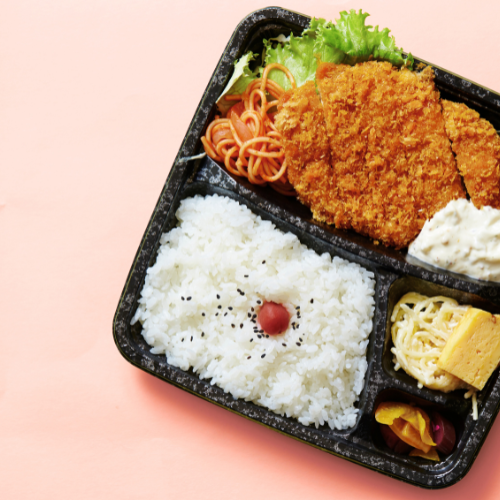
In the food business, packaging isn’t just an accessory. It’s the first impression customers get—often before they even taste the food. Unfortunately, many food business owners still overlook this critical aspect. Small mistakes can lead to big consequences—like spilled food, unattractive presentation, and customers losing interest in repeat orders. Let’s break down 7 common food packaging mistakes so you can steer clear of them.
1. Using the Wrong Packaging for the Type of Food
Soupy or greasy foods clearly require sturdy, leak-proof containers. Yet, it’s still common to see such dishes packed in flimsy or loosely sealed containers. The result? A mess during delivery. Always choose packaging specifically designed for your menu type.
Example: For soups or saucy dishes like soto or chicken noodles, use tightly sealed containers with lockable lids that won’t pop open in transit.
Recommendation: DB-312, DB-313, MS W5
2. Ignoring Air Ventilation
Ever ordered fried food that arrived soggy? The culprit could be poor ventilation. Hot foods packed too tightly trap steam, making the texture limp and less appetizing.
3. Overloaded Visual Elements
Stickers, logos, labels, bright colors—these all matter for branding. But if overdone, they can overwhelm the eyes and make your packaging look unprofessional. Stick to clean, simple, and easy-to-read designs. Remember: elegance often lies in simplicity.
4. Missing Label Information
Many small food businesses forget to include basic info like food names, expiration dates, or halal certifications. This isn’t just about looks—it builds customer trust. A simple label shows you care about details and customer comfort.
5. Overlooking Food Safety
Packing hot food in thin plastic? Big mistake. Not all plastics are heat-resistant and could pose health risks. Use food-grade, safe, and non-toxic packaging materials.
Tip: Choose packaging that has been safety-tested and is made by brands specializing in food containers.
6. Forgetting the “Unboxing Experience”
Opening a food package is a moment that can leave a strong impression. If it’s messy, poorly arranged, or looks bland, the dining experience can fall flat. In contrast, neat and visually appealing packaging can delight customers—and inspire them to share photos on Instagram.
7. Using Space-Wasting Packaging
Oversized containers make food look sparse. Too-small packaging makes it look messy. Use properly sized containers that enhance food appeal while keeping it secure during transport.
Avoiding the mistakes above can significantly boost customer satisfaction—and set you apart from competitors. That’s why it’s essential to choose a packaging partner that doesn’t just sell products, but also understands the needs of food businesses.
Pakkeji is here to help culinary entrepreneurs find packaging that’s not only functional but also aesthetic and ready to use. Because to us, packaging is part of the food’s story.
Food packaging isn’t just about “wrapping things up.” It’s about how you treat your product—and how much you value your customers’ experience. So from now on, pay closer attention.
“Good packaging not only protects your food, but also protects your brand reputation.”